


A base layer is the piece of clothing that sits closest to your skin, and it does more work than most people realise. It helps move sweat away from the body, keeps your temperature steadier and stops that damp, chilly feeling that arrives once you slow down after exertion. It is not the most glamorous item in a wardrobe, but it is absolutely doing the heavy lifting.
Anyone who has worn the wrong top on a walk knows how quickly things can go sideways. Too much cotton leaves you cold and clammy. A well-chosen merino wool base layer, by contrast, works with your body rather than against it. It keeps you dry when you are active, warm when you rest and comfortable in conditions that change from hour to hour.
What Is a Merino Wool Base Layer?
A base layer is exactly what the name suggests: the first layer of clothing against your skin, designed to manage moisture and maintain a comfortable temperature. Premium warming base layers made from quality merino wool include boxers, long johns, wrist warmers and both long and short sleeved shirts, so the category extends well beyond a simple long-sleeved top.
Merino base layers are available for men and women, and several brands design them for the entire family, perfect for an active outdoor life. The best ones feel soft against the skin, which matters when you plan to wear a garment for hours at a time. They are also increasingly stylish, with a large selection of designs available in exclusive merino wool.
Why Merino Wool Performs So Well
The secret lies in the fibre itself. Merino wool is naturally moisture-wicking, meaning it pulls sweat away from the skin and allows it to evaporate rather than leaving you damp and cold. It is also temperature-regulating, providing warmth without the bulk you might expect from traditional knitwear.
Two qualities in particular set merino apart from other fabrics. The first is natural odour resistance. Because the fibre does not hold onto bacteria the way synthetics can, a merino base layer stays fresher for longer, making it ideal for multi-day trips when washing opportunities are limited. The second is breathability. Merino allows air to circulate close to the skin, helping you stay comfortable on a walk, on the slopes or simply going about your day.
There is also the question of comfort. As one UK hiker wrote in a review of a merino wool base layer, the fabric feels soft, and the thumb holes on the arms are a decent size. Their verdict was simple: 100% worth it. When a garment earns that kind of praise from someone who has tested it outdoors, it deserves serious consideration.

Merino Wool vs Synthetic Base Layers
Base layers are one of the most important pieces of outdoor kit, but choosing between merino wool and synthetic can be confusing. Both have their place, and the right choice depends on how you plan to use the layer.
| Consideration | Merino wool | Synthetic |
|---|---|---|
| Odour resistance | Natural | Not a natural property |
| Drying speed | Slower | Faster |
| Breathability | Natural | Varies |
| High-intensity activity | Comfortable and regulating | Excels |
| Ideal for | Multi-day trips | Sweaty, high-output sessions |
Synthetic fabrics, such as polyester, dry faster than merino and excel in high-intensity activities where you are likely to sweat heavily. If you are running hard or working up a serious sweat, a synthetic layer will dry quickly and keep you moving.
Merino wool, on the other hand, offers natural odour resistance and breathability, which makes it the better companion for multi-day trips. You can wear it day after day without it becoming unpleasant, and it continues to regulate your temperature even when conditions change.
Some brands combine the best of both approaches. Helly Hansen, for example, produces a hybrid construction using LIFA as the inner layer to wick away moisture and merino wool as the outer layer to provide extra warmth. That design gives you the fast-drying performance of a synthetic next to the skin with the insulating comfort of merino on top.
Choosing the Right Merino Wool Base Layer
Not all merino base layers are the same. Some are made from 100% superfine wool, while others blend merino with synthetic fibres for added durability or stretch. EDZ, for example, offers a range of merino base layers that are all 100% superfine wool, available in styles including zip, crew and V-neck, with long and short sleeve options.
When you are choosing, consider the following:
- Fabric: a 100% superfine merino base layer offers the full natural performance of the fibre, while hybrid options add synthetic performance where you need it most.
- Style: zip necks are easy to adjust for temperature, crew necks sit neatly under other layers, and V-necks work well beneath shirts.
- Sleeve length: long sleeves provide extra warmth, while short sleeves suit milder days or high-intensity activity.
- Fit: a base layer should sit close to the skin so it can do its job properly, but it should never feel restrictive.
- Extras: some designs include thumb holes to keep sleeves in place, a small detail that makes a real difference on the trail.
It is also worth checking delivery details before you order. DANISH ENDURANCE, for example, offers free UK delivery on orders over £80, which makes it easy to try a merino wool base layer without adding shipping costs to the purchase.
How to Layer with Merino Wool
A merino base layer works best as part of a simple layering system. The base layer sits closest to the skin, doing the heavy lifting of moisture management. Over it go mid layers for insulation, and a waterproof or windproof outer layer protects against wind and rain.
This is why merino base layers are described as essential for outdoor activity, from skiing to everyday winter walks. Isobaa's merino base layers, for instance, are designed to offer performance in any season, acting as your essential base layer for outdoor activity. The same garment that keeps you warm on the slopes also serves you well on a brisk morning commute.
In milder weather, a merino top can stand alone. Because it is breathable and temperature-regulating, it keeps you comfortable without the need for heavy layers. In deep winter, the same base layer becomes the foundation of a warm, efficient outfit.
Why Merino Wool Is a Timeless Investment
A merino wool base layer belongs in the same category as other natural-fibre staples: the pieces you reach for again and again, season after season. Where low-quality garments lose their shape and softness over time, a quality merino piece is designed to last. Its performance does not fade, its softness endures and its understated look means it slots easily into a minimalist wardrobe.
For those who prefer quiet luxury, merino fits naturally. It is not loud or trend-driven. It simply does its job with elegance, whether layered beneath outdoor kit on a country walk or worn under a tailored coat in the city. That combination of function and refinement is precisely why merino is regarded as a premium natural fibre and why a merino wool base layer is worth the investment.
Caring for Your Merino Wool Base Layer
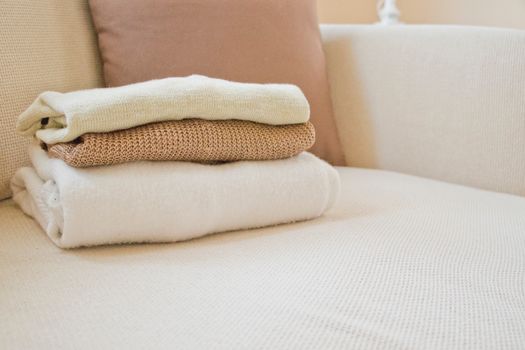
Merino wool rewards careful handling. To keep your base layer performing at its best, always check the care label on the garment and follow the manufacturer's instructions. Care guidance can vary between brands, so it is always best to follow the specific advice provided with your base layer.
A well-cared-for merino wool base layer will hold its shape, keep its softness and continue to regulate your temperature for years. That longevity is part of the reason it is worth the investment: not only does it perform beautifully, it lasts. For shoppers who value quality over quantity, a merino wool base layer is a wardrobe essential that earns its place season after season.
Frequently Asked Questions
Here are the answers to the questions shoppers most often ask about merino wool base layers.
Is a merino wool base layer worth it?
For most people, yes. Merino wool base layers offer a combination of moisture-wicking performance, temperature-regulating warmth, natural odour resistance and breathability that synthetic fabrics struggle to match. As one UK hiker noted, a merino set can feel so soft and comfortable that it is genuinely worth the purchase. If you spend time outdoors, travel light or simply value clothing that performs, a merino wool base layer is a sound investment.
Is merino wool good for a base layer?
Yes. Merino wool is one of the best natural choices for a base layer because it sits closest to the skin and manages moisture effectively. It wicks sweat away to keep you dry, regulates your temperature so you stay warm without overheating, and offers natural breathability. These qualities make it ideal for outdoor activity, multi-day trips and everyday wear in cooler weather.
Should the base layer be 100% merino wool?
It depends on your priorities. A 100% superfine merino base layer delivers the full natural performance of the fibre, including softness, odour resistance and temperature regulation. Some brands offer hybrid designs, such as a LIFA inner layer to wick moisture and a merino outer layer for warmth. If you want maximum natural performance, 100% merino is a strong choice; if you need faster drying during high-intensity activity, a hybrid may suit you better.
What is the best merino wool base layer in the UK?
The best merino wool base layer depends on your needs, budget and the activities you plan to do. A number of brands offer quality options in the UK, including DANISH ENDURANCE, Finisterre, Isobaa, Helly Hansen, Dilling and EDZ. Look for a style, fit and construction that suits you, whether that is a 100% superfine merino top or a hybrid design, and check each brand's current range for the latest options.