


Building a wardrobe with intention means thinking carefully about the fibres that touch your skin and the mark they leave on the world. Wool has long been accepted as an environmentally positive fibre choice, and that reputation continues to grow as more shoppers turn away from synthetic fabrics and embrace natural alternatives. From its origins on the hillside to its long life in your wardrobe, wool embodies a quiet kind of luxury: honest, enduring, and gentle on the planet. For modern women who value quality over quantity, sustainable wool is more than a material. It is a philosophy made visible.
What Makes Wool a Sustainable Fibre?
Wool's sustainability begins at its source. It is 100% natural, grown by sheep rather than manufactured from petrochemicals in energy-intensive factories. Because sheep produce a new fleece every year, wool is renewable in a way that synthetic fibres can never match. And when a wool garment eventually reaches the end of its long working life, it is biodegradable, meaning it breaks down naturally over time and returns to the earth instead of lingering in landfill for decades.
Few textile fibres can claim this combination of natural origin, renewability, and biodegradability. It is the bedrock of wool's environmental case, and it helps explain why wool is so often described as one of the most responsible choices available to the conscious consumer. Choosing wool is not simply a preference for a beautiful material; it is a decision that supports a more circular relationship between fashion and nature.
Wool's credentials have also been validated through ongoing industry research. The wool industry continues to invest in scientific studies so that wool's environmental qualities can be quantified and communicated with clarity. That transparency matters, because it allows shoppers to make informed decisions based on evidence rather than marketing.
The Environmental Advantages of Wool
Wool's benefits are best appreciated in comparison. Against cotton, it saves water. Against synthetics, it avoids plastic pollution and chemical burdens. These advantages make wool a clear winner for anyone weighing the environmental cost of their clothing, and they are supported by a growing body of research into textile sustainability.
Wool Uses Dramatically Less Water Than Cotton
Cotton is one of the most water-hungry crops on the planet, placing real pressure on rivers, lakes, and groundwater in farming regions around the world. Wool, by contrast, requires dramatically less water to produce. Sheep are raised on pasture and depend largely on natural rainfall rather than irrigation systems. For shoppers concerned about global water resources, this difference is decisive. Simply swapping a cotton garment for a woollen one can significantly reduce the water footprint of your wardrobe.
Wool Requires Fewer Chemicals in Processing
Many textile fibres require heavy chemical treatment to become soft, stable, and wearable. Wool needs fewer chemicals during processing. Its natural structure allows it to be cleaned and prepared with a lighter touch, reducing the environmental burden of production and limiting the exposure of textile workers to harsh substances. This cleaner route from sheep to shelf is another reason wool stands apart from both conventional cotton and synthetic fibres.
Wool Does Not Shed Microfibres
Every time synthetic fabrics are washed, they release tiny plastic microfibres into the water. These particles pass through treatment systems, reach rivers and oceans, and accumulate in the environment. Wool does not shed microfibres in the same way. Because it is a natural fibre, it breaks down instead of persisting as plastic pollution. For anyone who wants to reduce their personal contribution to ocean plastic, choosing wool over polyester is one of the simplest and most effective changes available.
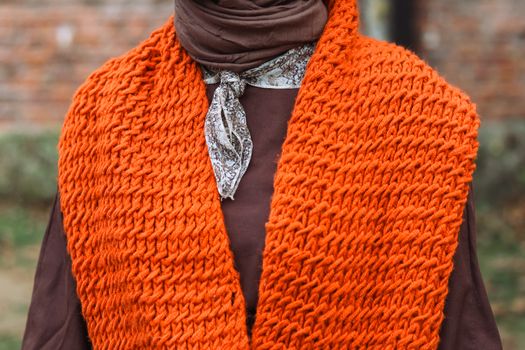
Built to Last: The Durability of Wool
One of the most powerful arguments for sustainable wool is its remarkable longevity. Wool products have long lifespans, meaning they are used or worn for longer than other textile fibre products. A well-crafted wool jumper can remain a wardrobe favourite for years, while cheaper synthetic garments often lose their shape, pill, and find their way to the bin within a season or two.
This durability translates directly into environmental benefit. The longer a garment stays in use, the lower its impact on the environment, because the energy and resources invested in making it are spread across many more wears. Wool is also naturally strong and resistant to fire, practical qualities that add to its safety and long-term value. In a culture that asks us to buy fewer things and choose better ones, wool is a natural ally.
There is an economic dimension too. Because woollen garments last longer, they offer better value over time than cheaper alternatives that need replacing. This makes sustainable wool a sensible investment for the wardrobe, not merely an ethical one.
Why British Wool Stands Out
For shoppers in the United Kingdom, British wool offers an especially compelling story. British wool is one of the most sustainable fibres in the world. It is a natural resource that renews itself each year, as sheep grow their fleece year after year, season after season. Because the fibre is produced close to home, choosing British wool also shortens the supply chain, supports local farming families, and reduces the emissions associated with shipping raw materials across the globe.
There is something deeply satisfying about wearing a fibre with roots in your own landscape. British wool carries a sense of place and tradition, and it proves that sustainability can be local, practical, and quietly beautiful all at once. It also offers a traceable link between the farmer, the land, and the person who wears the finished garment.
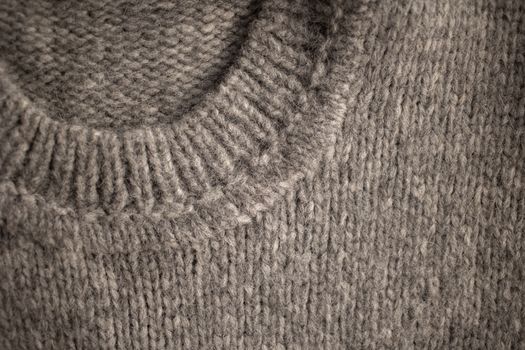
The Ethical Case for Choosing Sustainable Wool
Sustainability is not only a matter of carbon footprints and water use. It is also about how things are made and the values embedded in them. Wool's natural, biodegradable qualities, combined with its durability and ethical production, make it a leading choice for eco-conscious consumers. When a fibre can be produced responsibly, worn for years, and returned to the earth without causing harm, it represents a more honest relationship between fashion and the natural world.
That honesty matters. As the fashion industry faces growing scrutiny over its environmental record, wool stands out as a fibre that can be sourced and made with care. It offers reassurance at every stage of the journey, from the field where the sheep grazes to the moment a finished garment becomes part of your daily life.
A Responsible Alternative to Fast Fashion
Fast fashion is built on cheap synthetic materials, rapid production cycles, and quick disposal. Wool clothing offers a genuinely different model. Wool production generates fewer greenhouse gases compared to synthetic fibres, making it a climate-friendly choice. Wool is also non-toxic and free from many of the harmful substances associated with synthetic fabric production, which makes it a healthier option for the wearer as well as the planet.
Because wool is biodegradable and renewable, it will break down over time and can be regrown by sheep, closing the loop in a way that synthetic fibres cannot. For anyone looking to step away from the throwaway culture of fast fashion, wool is both a meaningful statement and an enduringly beautiful one. It is the fabric of a slower, more considered way of dressing.
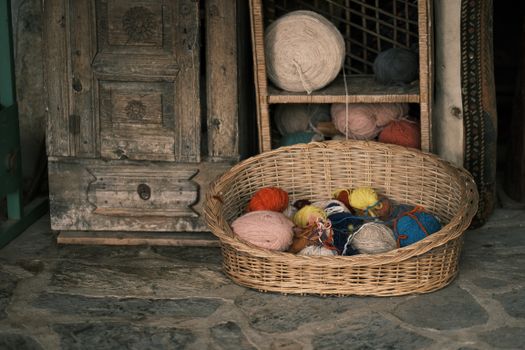
Making Wool Part of a Mindful Wardrobe
Embracing sustainable wool does not mean filling your wardrobe with jumpers. It means choosing pieces with intention: a classic knit, a tailored vest, or a soft scarf in a natural shade that will remain in style for years. Because wool is so durable, even a small number of well-chosen woollen garments can serve you for a long time, reducing the need for constant replacement.
When you invest in natural fibres and care for them properly, you extend their life even further. Fewer, better garments is the essence of quiet luxury, and wool is the perfect place to begin. Each piece carries the work of the shepherd, the spinner, and the maker, and wearing it well is a way of honouring that effort.
Frequently Asked Questions
Is wool truly biodegradable?
Yes. Wool is a 100% natural fibre and is biodegradable, meaning it will break down naturally over time. Unlike synthetic fibres, which can persist in the environment for many years, wool returns to the earth without leaving harmful residues behind. This makes it an environmentally positive choice from the moment it is produced to the end of its life.
How does wool compare to cotton in terms of water use?
Wool requires dramatically less water to produce than cotton. Cotton farming is highly water-intensive and places significant pressure on water supplies, while sheep are raised on pasture and rely mainly on natural rainfall. For shoppers concerned about water conservation, this difference makes wool a significantly more sustainable option than cotton.
Does wool shed microplastics when washed?
No. Wool does not shed microfibres in the way that polyester and other synthetic fabrics do. Because wool is a natural fibre, it breaks down rather than releasing plastic particles into waterways. Choosing wool over synthetics helps reduce microplastic pollution in rivers and oceans, making it a cleaner choice for the environment.
Why is British wool considered so sustainable?
British wool is regarded as one of the most sustainable fibres in the world. It is a renewable natural resource because sheep grow a new fleece every year. Choosing British wool also supports local farmers and shortens the supply chain, which reduces the environmental cost of transporting fibre across long distances. It is sustainability with deep local roots.
Is wool better for the environment than synthetic fibres?
Yes. Wool production generates fewer greenhouse gases compared to synthetic fibres, and wool is natural, renewable, and biodegradable. Synthetic fibres are made from petrochemicals and shed microplastics, whereas wool's natural strength and durability mean garments are worn for much longer. This longevity further reduces wool's environmental impact over time.