


Knitwear is one of the most dependable pieces in a winter wardrobe, and for good reason. A well-made jumper or cardigan uses natural thermoregulation to keep you warm without leaving you feeling sweaty, which is why these pieces are reached for again and again through the colder months. Yet conventional knitwear often carries a hidden footprint. Many knitted items come with a cost of animal cruelty, toxic dyes and synthetic fibres woven into otherwise natural-looking designs. Sustainable knitwear offers a different path, one that respects both the environment and the hands that make our clothes.
At its core, sustainable knitwear is about choosing garments that are made to last, produced with care, and created from materials that already exist. Recycled and sustainable knits shun the need for new raw materials, relying instead on high-quality materials that are already in circulation and therefore have a lighter impact on the earth. This is not simply a matter of fabric choice; it is an approach to fashion that values longevity, transparency and craftsmanship. For anyone refreshing a winter wardrobe, understanding what makes a knit ethical is the first step towards dressing more responsibly.
What Makes Knitwear Sustainable?
Sustainability in knitwear begins at the fibre level. Natural materials such as wool and organic cotton are renewable, and when sourced responsibly they offer a clear advantage over petroleum-based synthetics. Many of the newest collections use soft merino wool and organic cotton to create easy-to-wear jumpers and cardigans that bring colour and comfort to a wardrobe.
Production methods are just as important. Lower-impact materials, responsible makers and small-batch production are the marks of a brand that takes sustainability seriously. Artknit Studios, for example, creates timeless knitwear in 100% lower-impact materials, made responsibly by Italian makers. Community Clothing, a social enterprise founded with the aim of creating jobs where they are needed most, uses natural materials and makes quality clothes at affordable prices in the best British factories. These examples show that ethical production is not an abstract idea; it is reflected in real choices about factories, fibres and people.
Natural Fibres Versus Synthetic Blends
Wool is a natural and renewable material, but that alone does not make every woollen garment sustainable. Many brands blend wool with synthetic fibres such as acrylic and polyester to lower production costs. Those blends come with drawbacks: they can shed microplastics during washing, they are slow to biodegrade, and they often reduce the breathability that makes knitwear so comfortable.
Ethical concerns also reach beyond the fibre. Toxic dyes and poor animal welfare standards can undermine an otherwise natural garment. The most responsible knitwear brands use lower-impact materials, transparent supply chains and careful dyeing processes. If a label does not say what the garment is made from or where it was produced, you may want to question how sustainable the product really is.

Choosing the Right Fibres
The choice of fibre determines how a garment feels, how it wears, and how much it affects the environment. These are the materials that feature most often in ethical knitwear collections:
- Merino wool: soft, fine and naturally temperature-regulating, merino is a favourite for sustainable jumpers and cardigans because it keeps you warm without heaviness.
- Organic cotton: a breathable, plant-based option widely used for lighter knitwear and easy-to-layer pieces.
- Recycled merino: recycled and sustainable knits turn existing materials into new yarn. The ReMerino approach collects superfine merino offcuts created during the production process and recycles them into exquisite yarn in Yorkshire.
- Natural yarns: wool, cotton and other natural yarns are renewable, and they break down more easily at the end of their life than synthetic alternatives.
How to Spot an Ethical Knitwear Brand
There is no single badge that covers every aspect of sustainability, but certain signs point towards a genuine commitment. Look for brands that speak openly about materials, manufacturing and the people who make their garments.
- Choose quality over quantity. A smaller wardrobe of well-made knits will outlast a rail of disposable trend pieces.
- Look for small-batch production, which limits waste and lets brands focus on craftsmanship.
- Consider second-hand knitwear. Oxfam Online appears in round-ups of ethical knitwear brands, and pre-loved pieces are among the most sustainable options available.
- Support slow fashion labels. Community Clothing, Yan Tan, Messina Hembry and The Knotty Ones have all been featured as sustainable and slow-fashion brands.
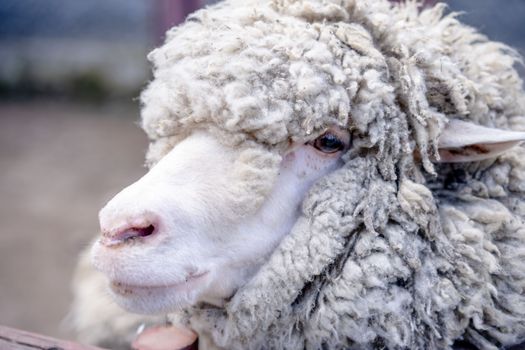
Sustainable Knitwear Brands to Know
The number of sustainable knitwear brands has grown rapidly, giving shoppers more choice than ever. From &Daughter and Herd to Sheep Inc and Lisa Yang, the market now includes plenty of eco-friendly names worth investing in. Other brands to keep in mind include BAM, Komodo, Beaumont Organic and The Nearly New Cashmere Co. Baukjen offers cosy cardigans, stylish jumpers and vibrant colours in sustainable materials, while TWOTHIRDS and BIBICO both carry ethical knitwear collections for women.
Artknit Studios stands out for its 100% lower-impact materials and responsible Italian manufacturing. Community Clothing shows that natural materials and affordable pricing can coexist, and The Nearly New Cashmere Co. gives existing cashmere a second life. Recycled merino programmes such as ReMerino demonstrate that even production offcuts can become something beautiful. The shared thread is intention: these brands design for longevity rather than for a single season.
Caring for Your Knitwear
Sustainability does not end at the checkout. The way you care for a garment determines how long it lasts, and a jumper that serves you for years is far kinder to the planet than one replaced every season. Wash knitwear less frequently, use cool water, and choose wool care products made for natural fibres.
Lay jumpers flat to dry and fold them rather than hanging them, as this preserves their shape and softness. Many brands that sell sustainable knitwear also offer wool care products, recognising that maintenance is part of a garment's life cycle. A little extra care keeps your knits looking beautiful, which reduces the need to buy new ones.
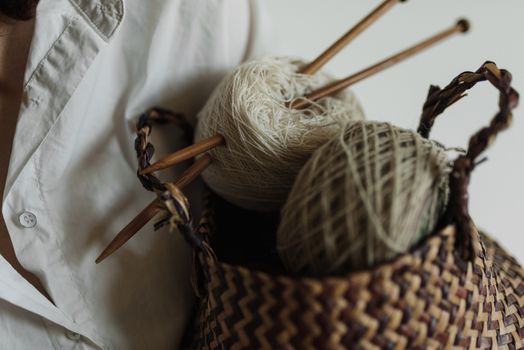
Building a Seasonal Knitwear Capsule
A sustainable wardrobe does not need to be large. Choose minimalist, timeless pieces in natural tones that work together effortlessly, then build outfits around them. A well-made jumper or cardigan pairs easily with wide-leg trousers, a simple dress or jeans, making it a versatile foundation for any capsule. By focusing on pieces you will genuinely wear, you step away from the cycle of buying and discarding that drives fast fashion.
This considered approach is sometimes called quiet luxury, and it suits the way many people actually want to dress. Instead of chasing each new trend, you invest in a few exceptional pieces made from natural fibres, produced in small batches and designed to remain relevant. That is the real promise of sustainable knitwear: clothes that look beautiful, feel comfortable, and honour the resources and people behind them.
Frequently Asked Questions
Here are the answers to common questions about building a wardrobe with sustainable knitwear.
Is wool a sustainable fabric?
Wool is a natural and renewable material, which gives it a clear advantage over synthetic fibres. However, a wool jumper is only as sustainable as its production. Animal welfare, sourcing, dyeing and any synthetic blends all affect the final garment. Choosing organic wool or recycled merino from brands that are transparent about their supply chain helps ensure that your knit is genuinely ethical.
What is recycled knitwear?
Recycled knitwear avoids the need for virgin raw materials by using high-quality materials that already exist. Superfine merino offcuts from production, for instance, can be turned into new yarn. The ReMerino collection recycles its own production offcuts into exquisite yarn in Yorkshire. This approach gives leftover fibres a second life, reduces waste, and still produces knitwear that is soft and premium.
Why should I avoid synthetic fibres in knitwear?
Many brands blend wool with synthetic fibres such as acrylic and polyester to keep costs down. These materials can shed microplastics when washed, are not biodegradable, and tend to be less breathable than natural fibres. They also make recycling more difficult. Choosing knitwear made from pure natural fibres or recycled materials is a more responsible choice for the planet and for the quality of your clothes.
How should I care for sustainable knitwear?
Wash your knitwear less often and use wool care products designed for natural fibres. Cool water and gentle handling protect the delicate structure of merino wool and organic cotton. Fold jumpers rather than hanging them, and dry them flat to keep their shape. Good care keeps sustainable knitwear looking beautiful for many years, which means you will not need to replace it as often.
Can sustainable knitwear be affordable?
Yes, though prices vary. Community Clothing, for example, focuses on producing quality clothes at affordable prices from natural materials in British factories. Buying second-hand through platforms such as Oxfam Online is another budget-friendly route to ethical knitwear. A well-made jumper may cost more at first, but its longer lifespan often makes it better value in the long run.
Sustainable knitwear is not about perfection; it is about intention. Every jumper, cardigan or scarf you choose is a chance to support natural fibres, responsible makers and designs that endure. Start with pieces you will really wear, care for them properly, and let your wardrobe reflect a quieter, more thoughtful approach to fashion.