


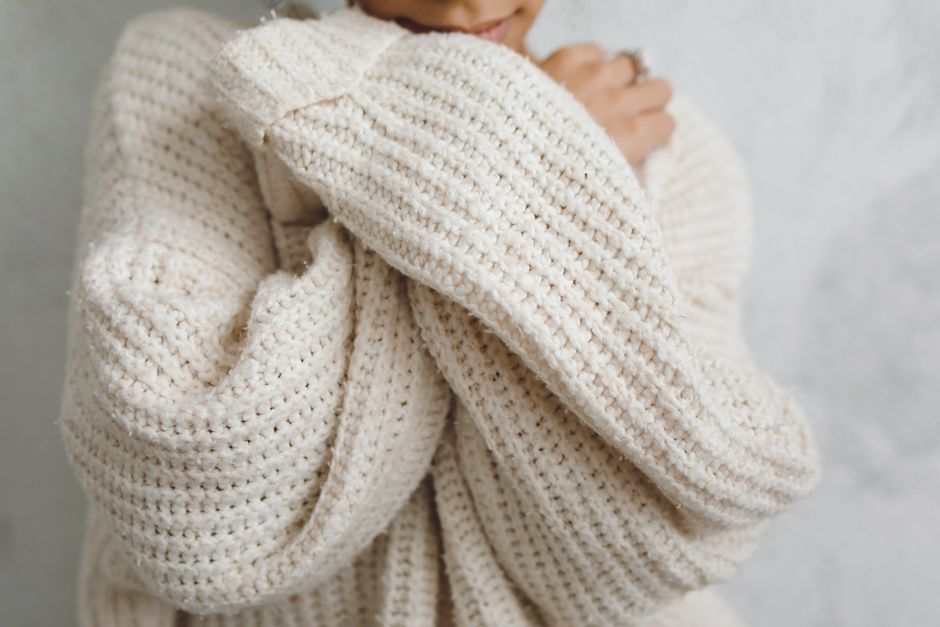
Photo by Polina Tankilevitch on Pexels
Knitwear is a winter staple, beloved for its natural thermoregulatory abilities. A good wool jumper keeps you warm without leaving you feeling sweaty, which is why it tends to be the first thing we reach for when the temperature drops. But the cosy factor can come at a cost. Many knitted items carry a footprint of animal cruelty, toxic dyes and less-than-natural materials, and while wool is a natural and renewable material, plenty of brands blend it with synthetic fibres such as acrylic and polyester.
Thankfully, the sustainable knitwear UK scene is growing. From biodegradable British yarns to recycled merino and pre-loved cashmere, there are now more options than ever for building a warmer wardrobe with a cleaner conscience. This guide looks at what makes knitwear sustainable, the brands worth knowing, and how to make choices that last beyond a single season.
What Makes Knitwear Sustainable?
Sustainable knitwear is not one single thing. It is a combination of choices that reduce harm to people, animals and the planet. At the most basic level, it means looking at the materials. Natural fibres such as wool and organic cotton are renewable, but how they are farmed, processed and dyed matters enormously. Synthetic blends, particularly acrylic and polyester, are derived from fossil fuels and shed microplastics in the wash.
There is also the question of how the garment is made. Small-batch production, traceable supply chains and local manufacturing all reduce the environmental cost of getting a jumper from field to wardrobe. A growing number of UK brands are working with British mills and knitwear factories, which shortens the supply chain and supports skilled manufacturing jobs closer to home.
The Ethical Issues to Be Aware Of
Before you buy, it helps to understand the problems knitwear can create. The main concerns are animal welfare, toxic dyes and the use of less-than-natural materials. Conventional wool production can involve poor conditions for sheep, and some high-volume fleece is treated with harsh chemicals during cleaning and dyeing. Cheap synthetic knits, meanwhile, rely on oil-based fibres that take decades to break down.
This does not mean all wool is problematic, nor that every synthetic knit is automatically terrible. Recycled yarns, for example, can give a second life to materials that already exist. The key is to look for transparency. Brands that explain where their fibre comes from, how the wool is sourced and where the garment is made are generally the ones doing the work.
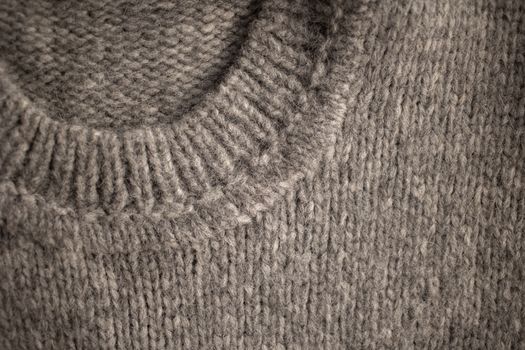
Photo by Monstera Production on Pexels
Sustainable Knitwear UK Brands to Know
The British market has attracted a number of labels dedicated to more responsible knitting. Some focus on British wool, others on recycled fibres, and several on small-scale production. Here are the brands most frequently named in sustainable knitwear round-ups.
Brand What It Is Known For
Community Clothing A social enterprise founded in 2016 by Patrick Grant of the Great British Sewing Bee. It focuses on quality clothes at affordable prices made in the best British factories from natural materials. Crew-neck sweaters are spun in Denby Dale, Yorkshire and knitted in Hawick, Scotland.
Herd A regular in both Vogue and Moral Fibres round-ups of sustainable and eco-friendly knitwear brands.
Sheep Inc. Named among the best eco-friendly knitwear brands by both Vogue and Moral Fibres.
&Daughter Featured in Vogue's 2024 list of the best sustainable knitwear brands to invest in.
Lisa Yang Also featured in Vogue's 2024 list of the best sustainable knitwear brands to invest in.
BAM Listed by Moral Fibres as an ethical and sustainable knitwear brand to know.
Oxfam Online Named by Moral Fibres among the ethical knitwear brands to know, offering pre-loved options.
Komodo Included in Moral Fibres's guide to UK ethical and sustainable knitwear brands.
Beaumont Organic Another brand highlighted in Moral Fibres's ethical knitwear guide.
The Nearly New Cashmere Co. Offers a pre-loved approach to cashmere, featured in Moral Fibres's round-up.
Baukjen Sells cosy cardigans, stylish jumpers and vibrant colours made from sustainable materials.
BIBICO A women's range of sustainable knitwear made from soft merino wool and organic cotton, including easy-to-wear jumpers and cardigans.
Cara & The Sky Vegan-friendly knitwear and sweaters designed by Cara and made locally in the UK.
Superlove Merino Creates ReMerino recycled knitwear from superfine merino offcuts, recycled into yarn in Yorkshire.
TWOTHIRDS Offers recycled and sustainable knits made from 100% recycled yarns or partially recycled materials.
This list is not exhaustive, and new labels appear every season. What unites these brands is a willingness to make knitwear differently, whether through natural British wool, recycled yarns, vegan-friendly fibres or a focus on second-hand cashmere. The Guardian's round-up of sustainable and slow-fashion brands also highlights pre-loved buys and vintage finds, a reminder that the most sustainable knitwear is often the piece that already exists.
Recycled Knitwear and the Circular Approach
Recycled knitwear is one of the most promising developments in the sector. Recycled and sustainable knits shun the need for raw materials, made from 100% recycled yarns or partially recycled materials. This keeps valuable fibres in use and reduces the demand for new wool.
Superlove Merino takes this idea further with its ReMerino range. The recycled merino knitwear has its roots in the superfine merino offcuts created in the brand's own production process, which are then recycled into exquisite yarn in Yorkshire. It is a closed-loop example of how waste from one garment can become the starting point for another.
Photo by Karina Lopez on Pexels
Pre-Loved and Vintage Knitwear
For many shoppers, the most ethical jumper is one that already exists. Pre-loved buys and vintage finds were a key part of the Guardian's look at sustainable knitwear labels, and second-hand shopping has earned its place in the sustainable fashion conversation. Oxfam Online was named among the ethical knitwear brands to know, proving that charity shopping belongs on the list.
Vintage knitwear has another advantage: it has already survived. If a jumper has lasted decades in good condition, it is a reasonable sign of quality. Buying second hand also avoids the environmental cost of new production entirely, and it tends to be kinder to your wallet as well.
How to Choose Knitwear That Lasts
The most sustainable knitwear is the piece you keep wearing for years. These simple checks can help you choose wisely.
Choose natural fibres. Wool is a natural and renewable material, but check that it has not been blended with synthetic fibres such as acrylic or polyester.
Look for recycled options. Recycled knitwear shuns the need for raw materials, with garments made from 100% recycled yarns or partially recycled materials.
Support small-batch and local production. Brands like Community Clothing and Cara & The Sky make clothes in British factories, reducing transport and supporting skilled jobs.
Consider pre-loved first. Vintage finds and charity shop pieces such as those sold through Oxfam Online avoid new production altogether.
These habits do not demand perfection. They simply nudge you towards pieces with a lower footprint and a longer life, which is the heart of a more sustainable wardrobe.
Photo by Ron Lach on Pexels
How to Care for Your Sustainable Knitwear
Caring for knitwear properly is part of the sustainable equation. The longer a garment lasts, the lower its overall impact, so it is worth treating your jumpers and cardigans with a little intention. Gentle hand washing with appropriate products, drying flat rather than hanging, and storing knits folded rather than on hangers will all help them hold their shape.
Many natural fibres do not need washing after every wear. Airing between wears can be enough to keep wool fresh, and spot cleaning handles most small marks. When a knit does need a wash, cool water and a wool-friendly detergent protect the fibres and keep colour from fading. Small habits like these can add years to a garment's life.
Frequently Asked Questions
Is wool a sustainable material?
Wool is a natural and renewable material, which gives it a strong starting point. However, its sustainability depends on how the sheep are raised, how the fleece is processed and whether the wool is blended with synthetic fibres. Look for brands that are transparent about sourcing, and consider recycled wool or second-hand options for an even lower impact.
What is recycled knitwear?
Recycled knitwear is made from yarns that have been recovered from existing materials, such as production offcuts or pre-loved garments. It can be made from 100% recycled yarns or partially recycled materials. Because it shuns the need for new raw materials, it reduces the demand for virgin wool and keeps valuable fibres in circulation for longer.
Which UK brands sell ethical knitwear?
There is no single definitive list, but names that appear regularly include Community Clothing, Herd, Sheep Inc., &Daughter, Lisa Yang, BAM, Komodo, Beaumont Organic and The Nearly New Cashmere Co. Baukjen, BIBICO, Cara & The Sky, Superlove Merino and TWOTHIRDS also offer sustainable knitwear, with options from British wool to recycled merino.
Why should I avoid synthetic blends in knitwear?
Synthetic fibres such as acrylic and polyester are derived from fossil fuels and can shed microplastics when washed. They also do not regulate temperature as well as natural fibres, which is part of why wool keeps you warm without feeling sweaty. Choosing natural, recycled or organic materials makes for a more sustainable knit.
Building a sustainable knitwear wardrobe does not require perfection. It simply asks for a little more intention, whether that means choosing natural fibres over synthetic blends, supporting brands that make things properly, or buying pre-loved pieces that already have a story. The best knitwear is the kind you keep for years, and the growing range of ethical options makes that easier than ever.