


Few fabrics carry the quiet appeal of lambswool. It turns up in the labels of premium jumpers, in the product descriptions of cosy scarves and in the autumn-winter edits of minimalist fashion brands. Yet for all its popularity, lambswool is often misunderstood. Is it a breed of sheep? A type of yarn? A guarantee of softness?
The answer is gently reassuring in its simplicity. Lambswool is wool sheared from young sheep, and its defining feature is the age of the animal at the time of shearing. That simple detail has a big effect on the way the fibre feels, how it behaves in knitwear and why it has earned a devoted following among people who care about natural materials.
This guide explains what lambswool is, where it comes from, why it is so well suited to knitwear and how it compares with other wools such as merino. By the end, you will know exactly what you are buying when a label says lambswool.
What exactly is lambswool?
Lambswool is quite literally wool from lambs. A lamb is a sheep under the age of 12 months, and lambswool is the fleece taken from that young animal. In most cases, it comes from the first shearing, which usually happens around seven months after the lamb's first coat has fully grown in.
That timing matters. Young sheep produce wool that is softer and finer than the wool of mature animals, and this natural softness is the reason lambswool is so prized. The fibre is also described as soft, warm and exceptionally comfortable, making it a favourite for garments worn close to the skin.
There is also a technical detail worth knowing. Some definitions specify that lambswool fibres must be no longer than 50mm. This short, fine nature is part of what gives lambswool its delicate hand-feel and makes it suitable for spinning into the kind of yarn used for jumpers, cardigans and dresses.
A life stage, not a breed
One of the most common misconceptions is that lambswool comes from a particular breed of sheep. It does not. The term lambswool describes the stage of life at which the wool is collected. This distinction is important because wool from young sheep still reflects the breed it came from, the environment it was raised in and the way the fleece was processed.
So when you buy lambswool, you are buying wool from a lamb's first fleece, but not necessarily from any one breed. This is what makes lambswool a multi-purpose general fibre: it is versatile, widely available and consistent in its core qualities, while the fine details can vary from one producer to another.
The significance of the first shearing
The first shearing is a milestone in a sheep's life, and for wool lovers it is the moment when the softest wool is harvested. While the exact age can vary, the first shearing of lambs generally takes place around seven months. The result is a fleece that is finer and softer than anything the sheep will produce in later years.
This is also why lambswool is held in such high regard in knitwear. The first fleece offers a combination of softness and practicality that wool producers prize, and it sets lambswool apart from standard wool, which comes from older animals.
What makes lambswool special?
Lambswool may be a general-purpose fibre, but it is far from ordinary. Its appeal lies in a set of natural properties that make it genuinely useful for clothing, especially in colder weather.
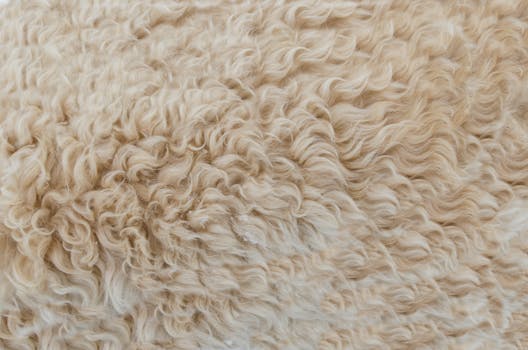
The most impressive of these is its ability to trap heat. Wool fibres have a natural crimp, a wavy structure that allows them to remain lofty and hold pockets of air. Those tiny air pockets act as insulation, capturing body warmth and keeping it close to the skin. This is why lambswool is described as an excellent insulator during the colder months and why it is such a natural fit for winter knitwear.
Lambswool is also elastic for a natural material. That elasticity helps the fibre retain its shape, so a well-made lambswool jumper is less likely to bag or stretch out of form over time. The fibre also wicks moisture away from the body, which helps you stay dry and comfortable even when you are moving between cold outdoor air and heated indoor spaces.
There is a comfort story here as well. Lambswool is generally soft, and while some sources note that it can be slightly textured, it is also described as less likely to cause skin irritation than other wools. Some guides even use the term hypoallergenic when describing lambswool, which makes it an attractive option for people with sensitive skin.
What is lambswool used for?
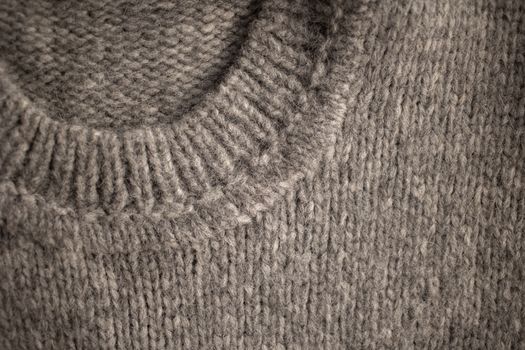
Because lambswool is soft, warm and versatile, it appears across an impressive range of products. The most common uses are knitwear and plush textiles. Jumpers, cardigans and dresses are all natural homes for lambswool, as are cosy blankets and throws designed for snug evenings at home.
The fibre also works beautifully for accessories. At ÉMA, lambswool features in our considered accessories range, including scarves and hats, where its softness and warmth make it a pleasure to wear against the skin. Our knitwear collection also draws on lambswool for the kind of timeless, minimalist pieces that form the backbone of a quiet, intentional wardrobe.
Lambswool vs merino: how do they compare?
Lambswool and merino wool are two of the most common words in premium knitwear, and shoppers often wonder how they differ. The honest answer starts with definitions: lambswool refers to the age of the sheep, while merino refers to a specific breed. A merino sheep's first shearing could arguably produce a lambswool-style fibre with merino characteristics, which shows how easily the two categories can overlap.
In terms of feel, lambswool is known for its softness, although it can be slightly textured depending on the yarn. The broader principle is that younger sheep generally have softer wool, but breed also plays a significant part, so age is not the only factor in how a wool feels.
For warmth and comfort, lambswool excels at trapping heat, making it an ideal insulator for cold months. It is also regarded as a practical, general-purpose fibre that is less likely to cause skin irritation than some other wools. Both lambswool and merino have devoted followings, and the right choice often comes down to the specific garment, the yarn construction and your personal preference for texture.
Caring for lambswool
Lambswool is soft, warm and exceptionally comfortable, but it will only stay that way with the right attention. Natural fibres reward careful handling, and lambswool is no exception.
The most reliable approach is to check the care label on your garment and follow the brand's guidance. If a specialist recommendation is available from the manufacturer, that is the safest route. For anyone investing in natural knitwear, a simple routine of gentle washing and proper storage will help lambswool retain its soft, lofty character for years. ÉMA also offers wool care products designed to support the natural fibres in your wardrobe.
With reasonable care, lambswool rewards you with warmth, softness and durability. It is a fabric that improves your wardrobe quietly, season after season.
Frequently Asked Questions
What exactly is lambswool?
Lambswool is wool sheared from young sheep, specifically at the first shearing. A lamb is a sheep under 12 months old, and the first shearing generally happens around seven months once the first coat has grown in. The result is a soft, fine wool that is used to make knitwear, blankets, scarves and other garments.
Is lambswool soft or itchy?
Lambswool is widely described as soft, warm and exceptionally comfortable. Some people expect all wool to feel itchy, but lambswool is generally less likely to cause skin irritation than other wools, and some sources call it hypoallergenic. It can feel slightly textured, so if you have very sensitive skin, it is still a good idea to try a garment before buying.
Is lambswool warm?
Yes, lambswool is excellent at trapping heat, which makes it an ideal insulator during colder months. The natural crimp in the wool fibres creates lofty pockets of air that hold body heat close to the skin. This warmth is one of the main reasons lambswool is such a popular choice for winter jumpers, cardigans and cosy accessories.
How does lambswool compare with merino wool?
The key difference is that lambswool describes the age of the sheep, while merino describes a breed. Both are soft, although lambswool can be slightly textured. Lambswool is seen as a versatile, general-purpose fibre that is less likely to cause skin irritation, while the softness of any wool is shaped by both the age and the breed of the sheep.